Choosing and Building Comfortable Housing for Pets in Canada
From insulated dog kennels in Quebec winters to rabbit hutches in BC summers — a practical reference covering materials, dimensions, and regional climate factors for pet shelter design.

What This Guide Covers
Key Topics in Pet Housing Design
Suitable housing depends on species, local climate, and available materials. The following areas are covered across the articles on this site.
Material Selection
Cedar, pine, and engineered wood each have different insulation values, moisture resistance, and longevity. Metal and plastic structures behave differently in freeze-thaw cycles common across Canadian provinces.
Climate Considerations
Canada's climate zones range from temperate coastal areas in British Columbia to sub-arctic conditions in northern Ontario and Quebec. Shelter design needs to address temperature extremes, wind, precipitation, and humidity.
Species-Specific Needs
Dogs, cats, rabbits, guinea pigs, and other small animals have different space, ventilation, and insulation requirements. Housing that works for one species may be inappropriate for another.
Ventilation
Proper airflow prevents moisture buildup, which in enclosed structures can lead to mold growth and respiratory issues. Ventilation design must balance airflow with heat retention in cold seasons.
Structural Elevation
Elevating a pet shelter off the ground reduces heat loss through conduction, limits moisture ingress from snow melt, and prevents contact with frozen soil in winter months.
Entry Design
Entry size, orientation, and wind baffling affect how well a shelter retains heat. North-facing entries in colder regions allow cold air to enter more easily during prevailing wind conditions.
Articles
In-Depth Guides

Choosing the Right Kennel Material for Canadian Conditions
Cedar, pressure-treated pine, polypropylene, and galvanized steel each present trade-offs in durability, insulation, and maintenance across Canadian climate zones.
Insulating Pet Housing for Canadian Winters
A structured look at insulation methods, materials, and design details that maintain safe interior temperatures when outdoor conditions drop well below freezing.
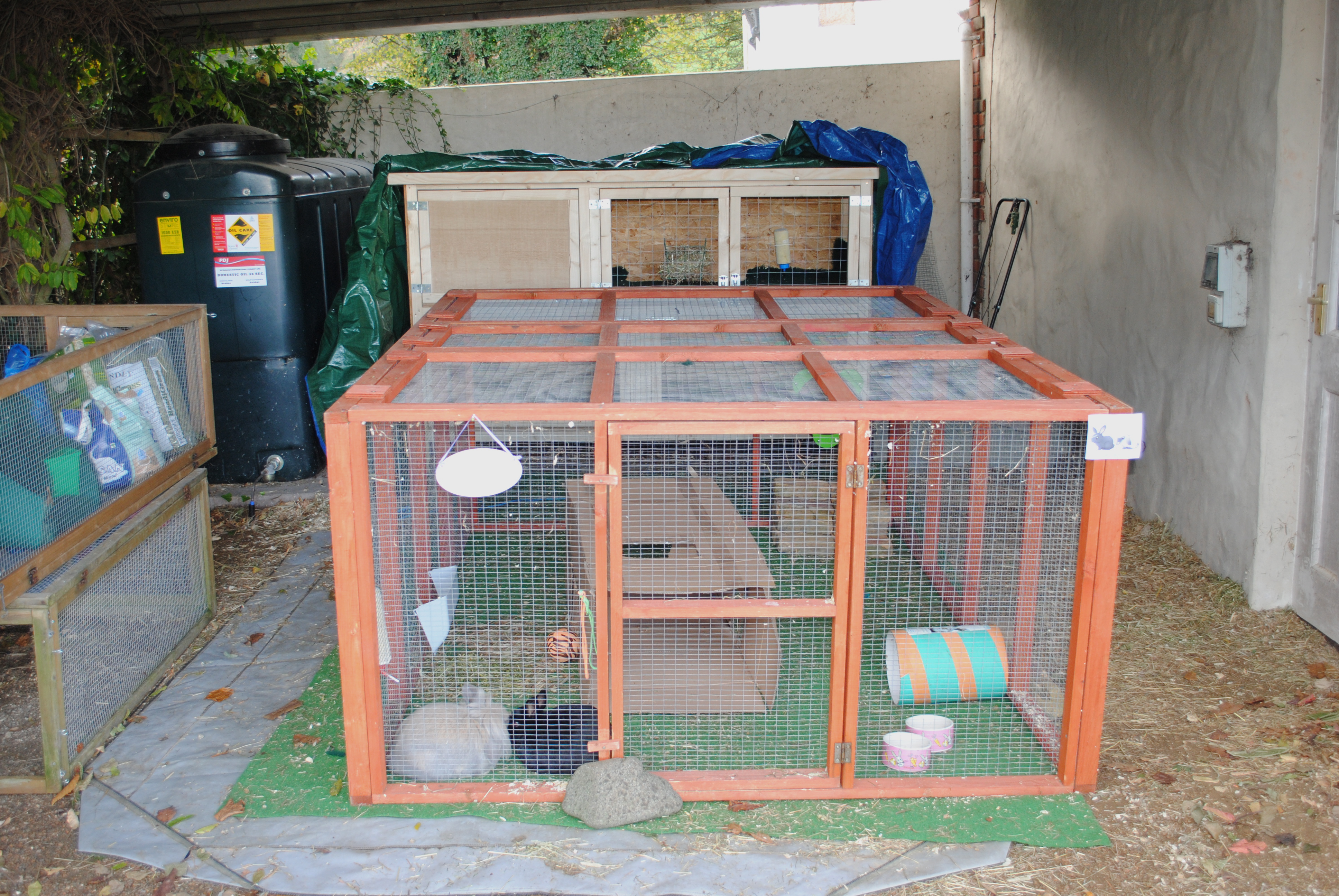
Small Animal Shelter Design: Rabbits and Guinea Pigs
Hutch sizing, flooring material, predator protection, and seasonal weatherproofing for rabbits and guinea pigs kept outdoors or in unheated outbuildings.
Regional Context
Canada's Climate Zones and Pet Housing
Canada spans multiple climate zones, and pet housing design that works in southern Ontario may be inadequate for northern Manitoba or Yukon. The Environment and Climate Change Canada database provides historical temperature data useful for planning outdoor shelter specifications.
Coastal BC experiences mild, wet winters with high humidity — a different challenge than the dry, severe cold of the Prairies. Housing designs should account for the dominant weather pattern of the specific region rather than a national average.
The Canadian government's climate variability resources document how seasonal extremes have shifted, which affects decisions about insulation ratings and structural materials.
On This Site
How to Use This Reference
The articles here are intended as informational reference material for pet owners, small-scale builders, and animal welfare volunteers. They are not a substitute for local building codes, veterinary guidance, or species-specific care resources.
Each article focuses on a specific aspect of shelter design — materials, insulation, or species-specific requirements — with practical details on dimensions, construction approaches, and climate adaptation.
Where external sources are cited, links point to government data, academic or institutional publications, or recognized animal welfare organizations operating in Canada.