Choosing the Right Kennel Material for Canadian Conditions
Cedar, pressure-treated pine, polypropylene, and galvanized steel each present different trade-offs in durability, insulation, and maintenance. Understanding how each material performs across Canadian climate zones helps narrow the options before construction begins.

Why Material Choice Matters in Canadian Climates
Canada's climate variability is significant. Southern British Columbia experiences average winter lows around -5°C in Vancouver, while Winnipeg regularly sees -20°C to -30°C for extended periods. Kennel structures designed for one environment may degrade, lose thermal effectiveness, or require frequent maintenance in another.
The material of the kennel's walls, floor, and roof affects heat retention, moisture resistance, structural longevity, and ease of cleaning. These factors interact differently depending on the dominant seasonal conditions in the specific location.
Wood-Based Materials
Western Red Cedar
Cedar is commonly used in outdoor pet structures because of its natural resistance to moisture and rot. The wood contains natural oils (thujaplicins) that inhibit fungal growth and insect damage without requiring chemical treatment. This makes it a practical option for kennels where animals are in close contact with the material.
Cedar's insulation value is moderate. Its cellular structure retains some warmth in mild winters, but it does not provide sufficient thermal protection on its own for severe cold without additional insulation layers inside the walls.
In humid coastal climates, cedar's moisture resistance extends the lifespan of the structure significantly compared to untreated pine. In dry continental climates, cedar tends to split and check over time as humidity fluctuates seasonally. Surface treatments with linseed oil or penetrating sealers can extend its service life in those conditions.
Pressure-Treated Pine
Pressure-treated lumber uses chemical preservatives — most commonly alkaline copper quaternary (ACQ) — to resist rot and insect damage. While this extends the structural lifespan, there are considerations around the proximity of animals to treated surfaces.
Current generation ACQ treatments are generally considered lower-risk than older chromated copper arsenate (CCA) formulations that were phased out of residential use. However, animals that chew or have sustained contact with treated wood surfaces may still be exposed to trace preservative compounds. Many builders choose to use treated lumber only for structural framing (posts, base plates, floor joists) while finishing interior surfaces with untreated cedar or plywood.
Cedar Characteristics
Moisture resistance: High (natural oils)
Insulation value: Moderate
Maintenance: Low to moderate
Chemical treatment: Not required
Best for: Coastal BC, mild climates
Pressure-Treated Pine
Moisture resistance: High (chemical)
Insulation value: Moderate
Maintenance: Low
Chemical treatment: Required (ACQ)
Best for: Framing, ground contact
Plastic and Composite Materials
High-Density Polyethylene (HDPE) and Polypropylene
Plastic kennels, typically molded from high-density polyethylene or polypropylene, offer easy cleaning, resistance to moisture, and no risk of rot or pest infestation. These materials do not absorb odors as readily as wood over time.
The significant limitation in Canadian winters is thermal performance. Plastic conducts cold more readily than wood, and standard molded plastic kennels without insulation become extremely cold internally when outdoor temperatures drop significantly. Some manufacturers add double-walled construction or foam insulation panels to address this.
UV exposure over multiple years can cause polypropylene to become brittle. In regions with high solar radiation — including much of the Prairie provinces — structural degradation of thin plastic panels can occur within several years. Darker colors absorb more heat, which can cause interior overheating in summer while offering modest passive warming in winter.
Wood-Plastic Composites (WPC)
Composite lumber products combining wood fiber and thermoplastic binders offer some of the dimensional stability benefits of plastic with a wood-like appearance. These are more commonly used for kennel flooring and decking panels than for wall construction, as they are heavier and more expensive than equivalent solid wood options.
Metal Structures
Galvanized Steel Chain-Link Panels
Chain-link kennel panels are the standard for outdoor run enclosures rather than enclosed shelters. They provide structural security, good visibility, and high durability, but offer no thermal insulation. Their role in a kennel setup is containment and run structure, not temperature management.
In freezing conditions, metal panels conduct cold and can cause contact injury to animals that press against them for extended periods. Wooden or rubber-coated accessories — perches, sleeping surfaces — prevent direct contact with metal in cold weather.
Galvanized Steel Sheet (Roofing)
Corrugated galvanized steel roofing panels are common on rural pet shelters and outbuildings. They are durable, inexpensive, and shed snow and rain effectively. Without insulation on the underside, they provide no thermal benefit and can cause condensation drip inside the structure in cold weather.
Applying rigid foam insulation panels to the interior underside of a metal roof reduces condensation and improves interior temperature stability at modest additional cost.
Material Comparison by Climate Zone
| Material | BC Coast | Prairie (MB/SK) | Ontario/Quebec | Northern Territories |
|---|---|---|---|---|
| Western Red Cedar | Excellent | Good (sealing needed) | Good | Moderate |
| Pressure-Treated Pine | Good (framing) | Good (framing) | Good (framing) | Good (framing) |
| HDPE/Polypropylene | Moderate | Poor (insulation) | Poor (insulation) | Not recommended |
| Chain-Link (runs) | Good | Good (with windbreak) | Good (with windbreak) | Use with caution |
| Metal Roofing | Good | Good (with insulation) | Good (with insulation) | Moderate (with insulation) |
Floor Material Considerations
The floor of an outdoor kennel has direct impact on animal comfort and health. Concrete is easy to clean and resistant to digging, but without a raised wooden surface or rubber matting, it conducts cold directly to the animal. Elevated wooden floors with an air gap below provide insulation and allow moisture to drain away from the sleeping area.
In areas with sustained sub-zero temperatures, a kennel floor that contacts frozen ground will lose heat rapidly regardless of the wall construction. Elevating the floor by 10–15 cm on pressure-treated posts significantly reduces conductive heat loss.
Maintenance Over Time
Cedar structures typically require a light sanding and oil or sealer application every two to three years in continental climates. In humid coastal areas, the natural oils may be sufficient to maintain the wood's condition without additional treatment for longer periods.
Painted pine requires repainting every few years as UV exposure and freeze-thaw cycling cause paint to crack and peel. Exposed bare wood below peeling paint absorbs moisture and accelerates rot.
Plastic structures require no painting or sealing but should be inspected annually for UV-induced brittleness, cracked joints, and warped panels that can create gaps allowing cold air infiltration.
Related Articles

Insulating Pet Housing for Canadian Winters
Insulation methods and structural details for maintaining safe interior temperatures in severe cold.
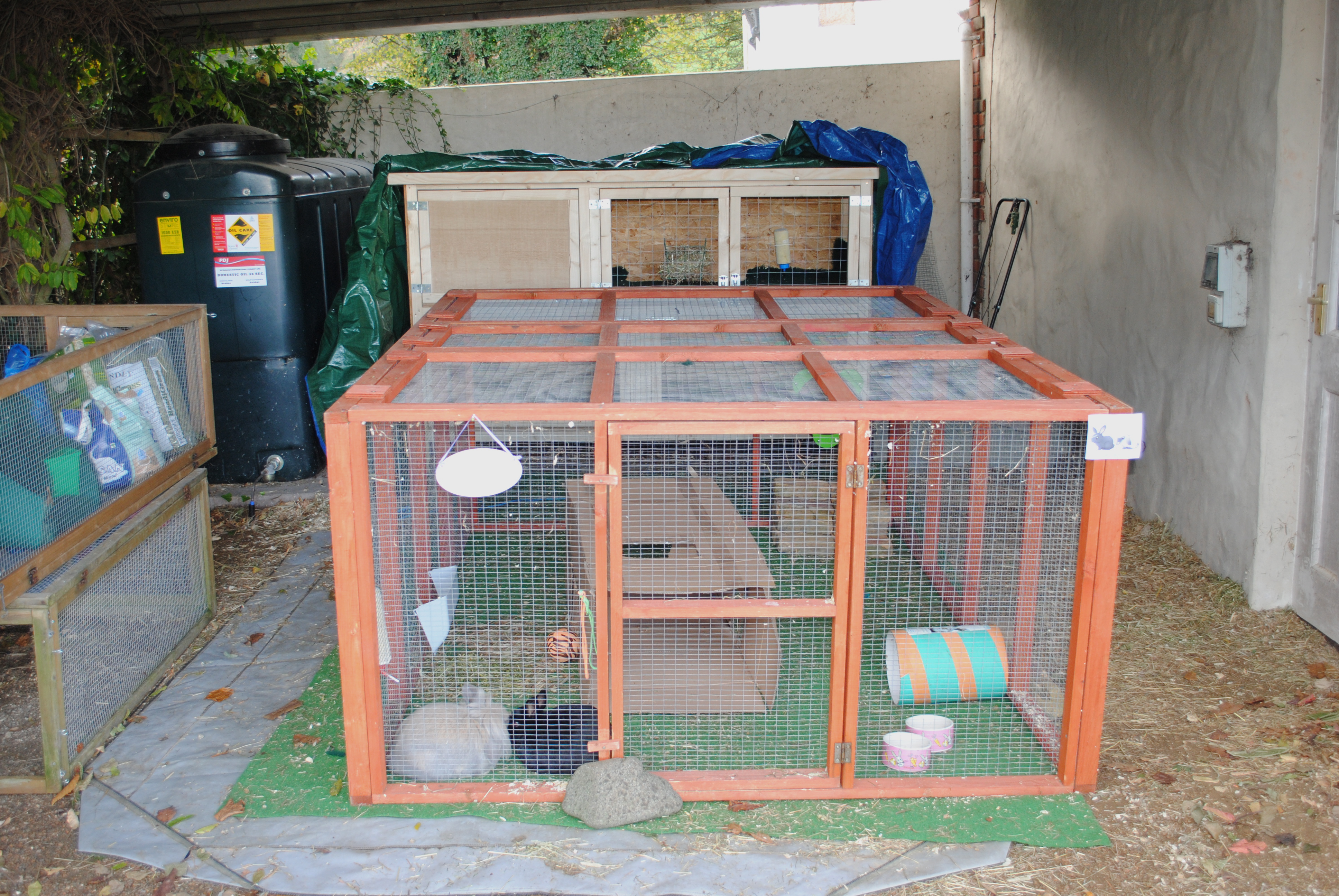
Small Animal Shelter Design: Rabbits and Guinea Pigs
Hutch sizing, flooring, and predator protection for small animals in Canadian outdoor conditions.